
- Stock Market & Equities
What Is an IPO and Should You Buy In?
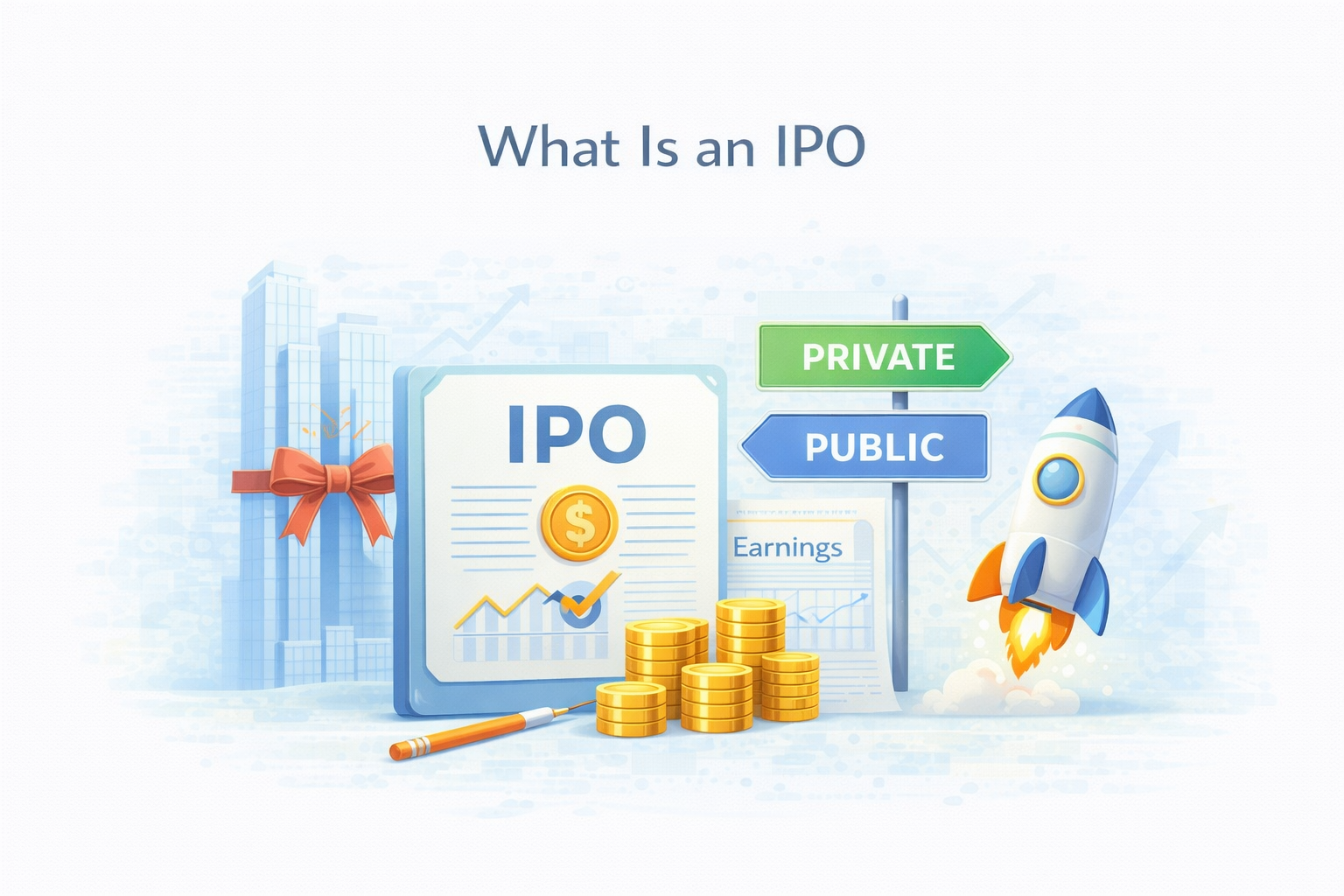
Table of contents
- Introduction
- What Is an IPO?
- Why Companies Go Public?
- The Hype and Risks Around IPOs
- How to Evaluate an IPO Before Investing?
- Should You Invest in an IPO?
- Using IPO Analysis Tools Like Akinda.io
- Conclusion
Introduction
Investing in the stock market can feel like stepping into a world full of unfamiliar terms and fast-moving decisions. One of the most talked-about events in this world is an IPO, or Initial Public Offering — when a private company offers its shares to the public for the first time. For many investors, IPOs represent a chance to “get in early” on a company that could become the next big success story.
But behind the excitement lies complexity. What does it really mean when a company goes public? Why do businesses choose this path, and what should investors look out for before buying in? IPOs can offer great opportunities, but they also come with risks — from unpredictable price swings to unclear financial histories.
This article breaks down the basics of IPOs in a beginner-friendly way. You’ll learn why companies go public, how to evaluate an IPO, and whether it’s the right move for your portfolio. Whether you’re new to investing or just curious about the process, understanding IPOs is a key step toward making smarter financial decisions.
What Is an IPO?
An IPO, or Initial Public Offering, is when a private company decides to sell its shares to the public for the first time. It’s like a company opening its doors to outside investors and saying, “You can now own a piece of us.” Before an IPO, the company is typically owned by founders, early investors, and employees. After the IPO, anyone — including you — can buy shares on the stock market.
Companies go public for various reasons: to raise capital for growth, pay off debt, or allow early investors to cash out. The process involves working with investment banks, filing paperwork with regulators, and setting an initial share price.
For many investors, IPOs feel exciting. They offer a chance to get in early on a company that might become the next big thing. But they also come with risks. The company is new to public markets, and its stock price can be volatile.
In short, an IPO is a major milestone for a business — and a potential opportunity for investors. But before jumping in, it’s important to understand what you’re buying into.
Why Companies Go Public?
Going public isn’t just a financial move — it’s a strategic decision. Companies typically launch an IPO to raise large amounts of capital. This money can be used to expand operations, develop new products, enter new markets, or pay off existing debts. It’s a way to fuel growth without relying solely on private investors or loans.
Another reason is visibility and credibility. Being listed on a major stock exchange like NASDAQ or NYSE gives a company more exposure and trust in the eyes of customers, partners, and future investors. It’s a stamp of legitimacy.
An IPO also provides liquidity. Early investors and employees who own shares can finally sell them and realize gains. This can be a reward for years of hard work and risk-taking.
However, going public comes with trade-offs. Companies must disclose financials, follow strict regulations, and face pressure from shareholders. Decisions may shift from long-term vision to short-term performance.
So while IPOs can unlock new opportunities, they also change the game. For investors, understanding *why* a company is going public helps you judge whether it’s doing so from strength — or desperation.
The Hype and Risks Around IPOs
IPOs often come with a lot of buzz. Media coverage, analyst predictions, and social media chatter can make a new listing feel like the next big thing. Everyone wants to “get in early” — hoping the stock will skyrocket on day one. But hype doesn’t always match reality.
Some IPOs do surge initially, especially if the company has strong brand recognition or operates in a hot sector like tech or biotech. But others stumble out of the gate. The excitement can lead to overvaluation, where the stock price is inflated beyond what the company is actually worth.
Investors should be cautious. Just because a company is popular doesn’t mean it’s profitable. Some IPOs involve businesses that are still losing money or have unproven models. The hype can mask real risks
It’s also common for early volatility. Prices may swing wildly in the first few days or weeks as the market tries to find a fair value. This can be stressful for new investors.
In short, IPOs can be exciting — but excitement isn’t a strategy. Look past the headlines and focus on the fundamentals.
How to Evaluate an IPO Before Investing?
Before investing in an IPO, do your homework. Start by reading the company’s prospectus — a document that outlines its business model, financials, risks, and goals. It’s not always easy reading, but it’s full of valuable insights.
Next, look at the company’s revenue and profit trends. Is it growing steadily? Is it profitable, or still burning cash? Some IPOs involve companies with strong growth but no profits — which can be risky.
Check the valuation. What price is the company asking for its shares, and how does that compare to similar businesses? A high valuation might mean you’re paying a premium — which only makes sense if future growth is likely.
Understand the lock-up period. This is the time during which insiders can’t sell their shares. When it ends, a flood of selling might push the price down.
Also consider the industry outlook. Is the sector expanding or facing headwinds? A great company in a shrinking market may struggle.
Evaluating an IPO is like interviewing a candidate for a job. Don’t just go by the résumé — ask tough questions and look for substance.
Should You Invest in an IPO?
Deciding whether to invest in an IPO depends on your goals, risk tolerance, and research. IPOs can offer big rewards — but they also carry unique risks. The company is new to public scrutiny, and its stock may be volatile.
If you’re a long-term investor, ask: *Do I believe in this company’s future?* Is the business model strong? Are the financials improving? Is the leadership trustworthy? If the answers are yes, and the valuation is reasonable, buying in could make sense.
But if you’re chasing quick gains, be careful. IPOs can be unpredictable. Prices may spike and crash within days. Without solid analysis, you’re gambling — not investing.
Consider waiting. Sometimes it’s better to let the dust settle and buy after the initial hype fades. You’ll have more data, and the price may be more stable.
Also think about diversification. Don’t put all your money into one IPO. Spread your investments to manage risk.
In the end, buying into an IPO should be a thoughtful decision — not a reaction to excitement. Do your research, trust your process, and invest with clarity.
Using IPO Analysis Tools Like Akinda.io
Platforms like Akinda.io can be especially helpful when evaluating an IPO. These tools offer detailed analysis that breaks down a company’s strengths, weaknesses, and valuation — helping you move beyond the hype and focus on the fundamentals. IPOs often come with excitement and media buzz, but smart investing requires clarity, not emotion.
Akinda.io uses AI to scan financial statements, market trends, and even leadership profiles to give you a clearer picture of whether the company is truly ready for public investment. It can highlight red flags such as inconsistent revenue, high debt levels, or weak cash flow — issues that might not be obvious at first glance.
For beginners, this kind of support is invaluable. Instead of trying to interpret complex data manually, you get visual summaries, risk scores, and even comparisons with similar companies. This helps you decide whether the IPO aligns with your portfolio goals and risk tolerance.
In short, using platforms like Akinda.io allows you to make informed decisions based on facts, not just excitement — a crucial skill when considering whether to buy into an IPO.
Conclusion
IPOs can be exciting opportunities, but they’re not guaranteed wins. While the idea of owning shares in a rising company is appealing, smart investing requires more than enthusiasm — it demands research, patience, and a clear understanding of risk.
Before buying into an IPO, ask yourself: Do I understand this business? Is the company financially sound? Is the valuation reasonable? If the answers aren’t clear, it may be wise to wait and observe how the stock performs after the initial hype fades.
Tools like Akinda.io can help simplify the evaluation process, offering insights into a company’s strengths, weaknesses, and market position. They allow you to look past headlines and focus on fundamentals — a key skill for any investor.
Remember, not every IPO is a golden ticket. Some companies go public to raise capital for growth, while others may be struggling behind the scenes. By staying informed and thinking long-term, you can avoid impulsive decisions and invest with confidence.
In the end, IPOs are just one part of a broader investment strategy. Approach them with curiosity, caution, and clarity — and you’ll be better prepared to make smart choices in a fast-moving market.
📌: Before buying into an IPO, slow down, gather the facts, and ask yourself: “Am I investing because it’s right for me, or just because it’s popular?”
 FAQ: IPOs Explained for Beginners
What does IPO stand for?
IPO stands for Initial Public Offering. It is the process by which a private company offers its shares to the public for the first time on a stock exchange.
Why are IPOs considered risky?
IPOs are risky because the company has no long public trading history. Prices can be volatile, financials may be unproven, and early hype can inflate valuations beyond fundamentals.
Can beginners invest in IPOs?
Yes, beginners can invest in IPOs, but they should be cautious. It’s important to understand the company’s business model, financial health, and valuation before investing.
Do IPO stocks always go up after listing?
No. While some IPOs rise on the first day, many fall shortly after listing. Initial price movements are often driven by hype rather than long-term value.
Is it better to buy an IPO immediately or wait?
Often, waiting can be safer. After the initial excitement fades, prices may stabilize, and more financial information becomes available to help investors make informed decisions.
What should I check before investing in an IPO?
Investors should review the company’s prospectus, revenue growth, profitability, valuation, industry outlook, and lock-up period before buying into an IPO.
How can tools like Akinda.io help with IPO investing?
Platforms like Akinda.io analyze financial statements, risks, and valuations to help investors move beyond hype and make data-driven IPO decisions.
This article is for educational purposes and reflects widely accepted principles in finance and investment analysis.
Sources & Further reading
- Bodie, Z., Kane, A., & Marcus, A. J. (2021). Investments. McGraw-Hill Education.
- Malkiel, B. G. (2019). A Random Walk Down Wall Street. W. W. Norton & Company.
- Ritter, J. R. (2021). Initial Public Offerings: Statistics and Facts. University of Florida.
- Investopedia (2023). Initial Public Offering (IPO) Explained. Retrieved from https://www.investopedia.com
- Akinda.io (2025). Investor Education Resources.